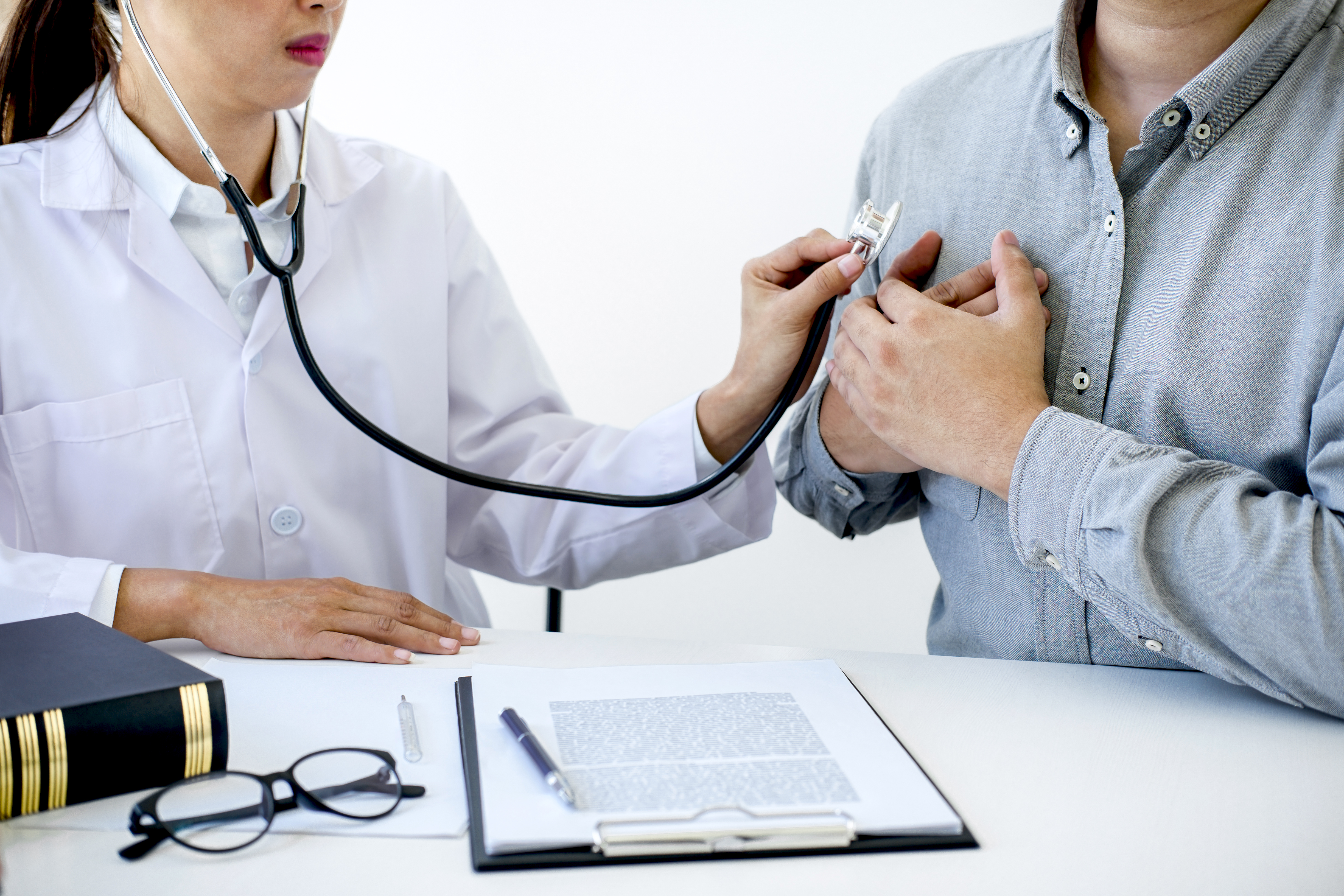
Heart disease rarely announces itself with a single dramatic moment. In most cases, the body sends out quiet, easy-to-miss signals weeks or months before a major cardiac event occurs. Recognizing these signals early — and acting on them — is one of the simplest ways to protect your life. This is exactly why consulting a Cardiologist in Malleswaram at the first sign of trouble, rather than waiting for symptoms to worsen, can make the difference between a manageable condition and a medical emergency.
According to the World Health Organization, cardiovascular diseases remain the leading cause of death globally, and a large proportion of these deaths are considered preventable with timely detection and lifestyle management. Yet many people delay seeking help because they mistake heart symptoms for stress, indigestion, or fatigue. This delay can be costly.
If you live in or around Malleswaram, Bangalore, and have been experiencing unusual symptoms, this guide walks you through the 10 most important warning signs of heart disease, what they mean, and when it's time to book a Heart Checkup with a qualified Heart Specialist in Malleswaram.
Heart disease develops gradually. Plaque builds up in the arteries, blood pressure rises silently, and the heart muscle works harder than it should — often without any obvious pain. By the time symptoms become severe, underlying damage may already be significant.
Early diagnosis allows a cardiologist to:
Early diagnosis matters because heart disease often progresses silently. Regular screening and prompt attention to symptoms can catch problems while they are still treatable, significantly reducing the risk of heart attack, stroke, or heart failure.
It is common to dismiss early heart symptoms as tiredness, acidity, or "just stress." However, self-diagnosis is risky because several heart conditions mimic everyday discomforts. A qualified Cardiologist in Malleswaram can quickly distinguish between a harmless symptom and a genuine cardiac warning sign using targeted clinical evaluation and diagnostic tests — something that cannot be done accurately through guesswork or online searches alone.
Choosing a cardiologist close to home, such as one based in Malleswaram, also means:
What it means: A tight, heavy, or squeezing sensation in the chest, often described as pressure rather than sharp pain.
Why it happens: This typically occurs when the heart muscle isn't getting enough oxygen-rich blood, often due to narrowed coronary arteries (angina) or, in more serious cases, a heart attack.
When to seek immediate attention: If the pain lasts more than a few minutes, returns repeatedly, or is accompanied by sweating or breathlessness, seek emergency care immediately.
How a Heart Specialist in Malleswaram evaluates it: Through a detailed history, physical examination, ECG, and, if needed, a 2D Echo or TMT (Treadmill Test) to assess blood flow to the heart.
Possible diagnostic tests: ECG, 2D Echo, TMT, angiography.
Prevention tips: Manage blood pressure and cholesterol, avoid smoking, and get chest discomfort evaluated early rather than waiting for it to worsen.
What it means: Difficulty breathing during activities that were previously easy, or breathlessness while lying flat.
Why it happens: When the heart cannot pump efficiently, fluid can back up into the lungs, making breathing harder — a sign potentially linked to heart failure or coronary artery disease.
When to seek immediate attention: Sudden, severe breathlessness, especially with chest pain or swelling, needs urgent evaluation.
How a Heart Specialist in Malleswaram evaluates it: Clinical assessment combined with ECG, 2D Echo, and sometimes chest imaging to check heart function and rule out fluid accumulation.
Possible diagnostic tests: 2D Echo, ECG, chest X-ray, blood tests (BNP levels).
Prevention tips: Maintain a healthy weight, stay physically active, and get breathlessness checked rather than attributing it to age or fitness levels alone.
What it means: A fluttering, pounding, or skipping sensation in the chest, medically referred to as arrhythmia when persistent.
Why it happens: Irregular electrical signals in the heart can cause it to beat too fast, too slow, or irregularly, sometimes linked to stress, caffeine, thyroid issues, or underlying heart conditions.
When to seek immediate attention: If palpitations are accompanied by dizziness, chest pain, or fainting, seek prompt medical care.
How a Heart Specialist in Malleswaram evaluates it: ECG and, in some cases, a Holter monitor (24-hour ECG) to capture irregular rhythms that may not appear during a single office visit.
Possible diagnostic tests: ECG, Holter monitoring, 2D Echo, thyroid function tests.
Prevention tips: Limit caffeine and alcohol, manage stress, and avoid ignoring recurring palpitations even if they feel minor.
What it means: Blood pressure readings that stay elevated despite lifestyle changes or medication.
Why it happens: Hypertension forces the heart to work harder, gradually damaging arteries and increasing the risk of heart attack, stroke, and kidney disease.
When to seek immediate attention: Readings above 180/120 mmHg, especially with headache, vision changes, or chest pain, require emergency care.
How a Heart Specialist in Malleswaram evaluates it: Regular blood pressure monitoring, review of medication response, and screening for related organ damage.
Possible diagnostic tests: Blood pressure monitoring, ECG, kidney function tests, 2D Echo.
Prevention tips: Reduce salt intake, exercise regularly, take prescribed medication consistently, and monitor blood pressure at home.
What it means: Fluid retention causing visible puffiness, most often in the lower limbs.
Why it happens: When the heart's pumping efficiency drops, blood can pool in the veins, pushing fluid into surrounding tissue — a common sign associated with heart failure.
When to seek immediate attention: Sudden or severe swelling, especially with breathlessness or rapid weight gain, needs prompt evaluation.
How a Heart Specialist in Malleswaram evaluates it: Physical examination combined with 2D Echo and blood tests to assess heart and kidney function.
Possible diagnostic tests: 2D Echo, blood tests, ECG.
Prevention tips: Monitor for unexplained swelling, limit excess salt, and report persistent swelling rather than assuming it's due to standing or sitting too long.
What it means: A sudden feeling of unsteadiness or brief loss of consciousness.
Why it happens: This can result from irregular heart rhythms, low blood pressure, or reduced blood flow to the brain caused by underlying heart conditions.
When to seek immediate attention: Any episode of fainting, particularly during physical activity, warrants urgent cardiac evaluation.
How a Heart Specialist in Malleswaram evaluates it: ECG, Holter monitoring, and sometimes a tilt-table test to identify the cause of fainting episodes.
Possible diagnostic tests: ECG, Holter monitor, 2D Echo, blood sugar and blood pressure checks.
Prevention tips: Stay hydrated, avoid sudden posture changes, and never dismiss recurrent dizziness as "just low sugar" without evaluation.
What it means: Persistent tiredness that doesn't improve with rest and interferes with daily activities.
Why it happens: When the heart struggles to pump blood efficiently, muscles and organs receive less oxygen, leading to unexplained exhaustion.
When to seek immediate attention: Fatigue combined with breathlessness, chest discomfort, or swelling should be evaluated promptly.
How a Heart Specialist in Malleswaram evaluates it: Comprehensive cardiac workup including ECG and 2D Echo, alongside blood tests to rule out anemia or thyroid disorders.
Possible diagnostic tests: ECG, 2D Echo, blood tests.
Prevention tips: Track fatigue patterns, prioritize sleep, and consult a doctor if tiredness persists for more than two weeks without an obvious cause.
What it means: Discomfort that spreads beyond the chest to the left arm, jaw, neck, or upper back.
Why it happens: This pattern is a classic sign of reduced blood flow to the heart and is often associated with angina or a heart attack.
When to seek immediate attention: This symptom, especially combined with chest pressure or sweating, is a medical emergency and needs immediate attention.
How a Heart Specialist in Malleswaram evaluates it: Urgent ECG, cardiac enzyme blood tests, and further imaging such as angiography if a blockage is suspected.
Possible diagnostic tests: ECG, cardiac biomarkers, angiography.
Prevention tips: Never ignore radiating pain — seek emergency evaluation rather than waiting to see if it resolves on its own.
What it means: Having a parent or sibling who developed heart disease, especially at a young age, increases personal risk.
Why it happens: Genetic factors can influence cholesterol metabolism, blood pressure regulation, and artery health, making some individuals more susceptible regardless of lifestyle.
When to seek immediate attention: While family history itself isn't an emergency, it's a strong reason for proactive screening, especially if new symptoms appear.
How a Heart Specialist in Malleswaram evaluates it: Detailed family and personal medical history combined with baseline cardiac risk assessment.
Possible diagnostic tests: Lipid profile, ECG, 2D Echo, blood pressure evaluation.
Prevention tips: Start preventive heart checkups earlier than the general population, and share complete family history during consultations.
What it means: These interconnected conditions significantly raise the risk of coronary artery disease.
Why it happens: Excess cholesterol contributes to plaque buildup in arteries, while diabetes and obesity accelerate blood vessel damage and inflammation, compounding cardiac risk.
When to seek immediate attention: While these are typically chronic risk factors rather than emergencies, any new heart symptoms in someone with these conditions should be evaluated promptly.
How a Heart Specialist in Malleswaram evaluates it: Comprehensive risk assessment using blood tests, blood pressure checks, and cardiac imaging as needed.
Possible diagnostic tests: Lipid profile, blood sugar (HbA1c), ECG, 2D Echo, TMT.
Prevention tips: Maintain a balanced diet, exercise regularly, monitor blood sugar and cholesterol levels, and follow a structured preventive cardiology plan.
A preventive heart checkup is one of the most effective tools for catching problems before they become emergencies. Regular screening helps track how your heart is functioning over time and flags early changes that symptoms alone might not reveal.
| Test | What It Checks | Why It's Important |
|---|---|---|
| ECG (Electrocardiogram) | Electrical activity of the heart | Detects arrhythmia, prior heart attacks, and rhythm abnormalities |
| 2D Echo | Heart's structure and pumping function | Assesses valve function, chamber size, and overall heart efficiency |
| TMT (Treadmill Test) | Heart's response to physical exertion | Reveals blocked arteries not visible at rest |
| Blood Tests | Cholesterol, blood sugar, cardiac enzymes | Identifies metabolic risk factors for heart disease |
| Stress Test | Heart performance under controlled stress | Helps diagnose coronary artery disease |
| Cardiac Risk Assessment | Overall probability of future cardiac events | Guides personalized prevention strategy |
Who needs regular heart checkups? Adults over 40, diabetics, hypertensive patients, smokers, and those with a family history of heart disease should undergo a cardiac screening at least once a year, or as advised by their cardiologist.
Generally, healthy adults are advised to have a baseline cardiac evaluation by age 40, with follow-up screenings every 1–2 years. However, individuals with diabetes, hypertension, obesity, or a family history of heart disease may need more frequent monitoring, as recommended by their cardiologist.
Not every symptom requires an emergency room visit, but certain warning signs demand urgent attention from a Chest Pain Doctor without delay. Call for emergency help or visit the nearest hospital immediately if you experience:
Can chest pain always indicate a heart problem? Not always — chest pain can also result from acidity, muscle strain, or anxiety. However, because heart-related chest pain can be life-threatening, any unexplained or severe chest pain should be evaluated by a cardiologist without delay.
If you or someone near you experiences these symptoms, do not wait for an appointment — seek emergency medical care first, and follow up with a cardiologist for ongoing management afterward.
When it comes to your heart, experience and personalized attention matter. Dr. Basavaraju Utagi offers comprehensive cardiac care in Malleswaram, Bangalore, combining clinical expertise with a patient-focused approach.
Choosing a trusted Cardiologist in Malleswaram for your ongoing heart care means having a consistent point of contact who understands your medical history and can guide your treatment over time.
Heart disease is often silent until it isn't. The warning signs discussed above — from chest pain and breathlessness to palpitations and uncontrolled blood pressure — are your body's way of asking for help. Ignoring them in the hope that they'll pass on their own is one of the most common and preventable mistakes people make.
If you or a loved one is experiencing any of these Heart Disease Symptoms, don't wait for a crisis. Schedule a Heart Checkup with Dr. Basavaraju Utagi, a trusted Cardiologist in Malleswaram, for timely diagnosis, evidence-based treatment, and personalized cardiac care that puts your long-term heart health first.
 FAQ
FAQ

Early warning signs of heart disease include persistent chest pain or pressure, shortness of breath during routine activities, frequent palpitations, unexplained fatigue, and swelling in the feet or ankles. Other important indicators are uncontrolled high blood pressure, dizziness or fainting spells, and pain that radiates to the arm, jaw, neck, or back. Individuals with diabetes, high cholesterol, obesity, or a family history of heart disease are at higher risk and should be especially attentive to these symptoms. While some of these signs can also be caused by non-cardiac issues, it's important not to self-diagnose. Consulting a qualified cardiologist ensures accurate evaluation through clinical examination and diagnostic testing, allowing for early intervention if a heart condition is present.
You should visit a cardiologist promptly if you experience chest pain or pressure, breathlessness beyond what's normal for your activity level, irregular heartbeat, or fainting episodes. It's also wise to consult a cardiologist if you have risk factors such as hypertension, diabetes, high cholesterol, obesity, or a family history of heart disease, even without obvious symptoms, since these conditions can silently affect heart health. Waiting for symptoms to worsen can allow underlying issues to progress unnoticed. A timely consultation allows for tests like an ECG or 2D Echo to assess heart function, enabling earlier treatment and better long-term outcomes compared to delaying care until an emergency arises.
Not all chest pain is related to the heart. It can also result from causes such as acid reflux, muscle strain, anxiety, or respiratory conditions. However, distinguishing between harmless chest discomfort and a genuine cardiac issue can be difficult without medical evaluation, since heart-related chest pain doesn't always present as severe or dramatic. Because delaying care for actual cardiac chest pain can be dangerous, it's safest to have any new, unexplained, or persistent chest pain assessed by a cardiologist. Tests such as an ECG, blood work, or a treadmill test can help determine whether the pain is cardiac in origin, allowing for appropriate next steps and peace of mind.
Regular heart checkups are recommended for adults over the age of 40, individuals with diabetes or hypertension, smokers, those who are overweight, and people with a family history of heart disease. For most healthy adults, a baseline cardiac evaluation around age 40 followed by screening every one to two years is a reasonable starting point. However, those with existing risk factors or symptoms may need more frequent monitoring, as advised by their cardiologist. Regular checkups typically include blood pressure measurement, cholesterol and blood sugar testing, and an ECG, helping detect potential problems before they progress into more serious cardiac events.
The first warning signs often include chest discomfort or pressure, shortness of breath, palpitations, unusual fatigue, and swelling in the legs or ankles. These symptoms can appear gradually and may be mistaken for stress or fatigue, so persistent or repeated occurrences should always be evaluated by a cardiologist.
See a cardiologist if you experience chest pain, breathlessness, irregular heartbeat, fainting, or unexplained fatigue. It's also advisable if you have high blood pressure, diabetes, high cholesterol, or a family history of heart disease, even without symptoms, to enable early screening and preventive care.
No, chest pain can result from causes like acidity, muscle strain, or anxiety. However, because it can also signal a serious cardiac issue, any unexplained or persistent chest pain should be checked by a cardiologist to rule out heart-related causes.
Adults should generally have a baseline heart checkup around age 40, followed by screening every one to two years. Those with diabetes, hypertension, obesity, or a family history of heart disease may need more frequent evaluations, as recommended by their cardiologist.